
Introduction
Ali Dhuux was one of the most respected Somali poets and traditional leaders in the history of Somali literature. He is remembered for his wisdom, powerful poetry, and deep understanding of Somali culture and traditions. His poems played an important role in preserving the Somali language, customs, and social values during a time when oral literature was the main form of communication.
Ali Dhuux is considered one of the greatest classical Somali poets, and his work continues to inspire Somali writers, scholars, and poetry lovers today.
Early Life and Background
Ali Dhuux was born in the Somali territories during the late 19th century. He grew up in a traditional nomadic environment where poetry was highly respected and widely used in everyday life. From a young age, he learned:
- Somali oral traditions
- Poetry and storytelling
- Cultural values and leadership

The Somali pastoral lifestyle greatly influenced his thinking and poetic style. He developed a deep understanding of society, clan relations, honor, and the importance of unity.
Rise as a Poet
Ali Dhuux became famous for his:
- Powerful gabay (traditional Somali poetry)
- Wisdom and eloquence
- Leadership and mediation skills
- Rich use of the Somali language
His poetry often addressed:
- Peace and reconciliation
- Social justice
- Unity among Somali communities
- Traditional values and honor
He was respected not only as a poet but also as a community elder and advisor.
Style of Poetry
Ali Dhuux’s poetry was known for its:
- Deep meaning and wisdom
- Strong rhythm and structure
- Rich vocabulary
- Memorable metaphors and expressions
His poems reflected the realities of Somali life, including:
- Nomadic culture
- Livestock and nature
- Conflict and peace
- Moral lessons and advice
Because of his mastery of language, many Somalis considered him one of the finest speakers and poets of his generation.
Contribution to Somali Literature
Ali Dhuux made a major contribution to Somali literature and oral history. During his time, poetry was the most powerful tool for:
- Communication
- Education
- Political discussion
- Conflict resolution
His poems helped preserve Somali cultural identity and linguistic richness for future generations.
Today, many of his poems are studied in:
- Somali literature programs
- Cultural studies
- Traditional poetry collections
Influence on Future Generations
Ali Dhuux influenced many Somali poets and intellectuals who came after him. His style, wisdom, and command of the Somali language became a model for future generations of poets.
He is often mentioned alongside other legendary Somali poets, including:
- Sayid Maxamed Cabdulle Xasan
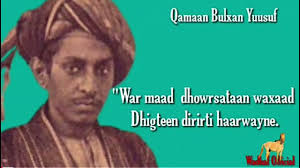
- Qamaan Bulxan
These poets shaped the golden age of Somali oral literature.
Legacy
Even many years after his death, Ali Dhuux remains an important figure in Somali history and culture. His poetry continues to be shared in:
- Cultural gatherings
- Somali literature books
- Educational programs
- Online Somali communities
His legacy represents the beauty and power of Somali oral tradition and the lasting importance of poetry in Somali society.
Conclusion
Ali Dhuux was more than just a poet; he was a cultural leader, teacher, and guardian of Somali heritage. Through his poetry and wisdom, he helped preserve Somali traditions and inspired generations of Somali people.
His name remains a symbol of classical Somali literature and the enduring strength of Somali oral poetry.